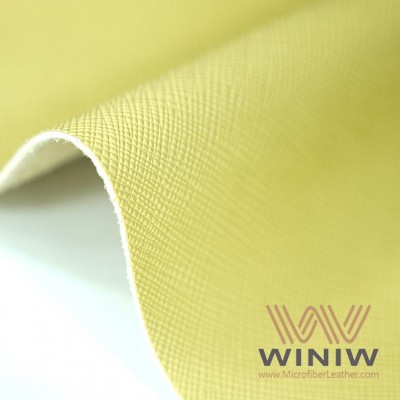
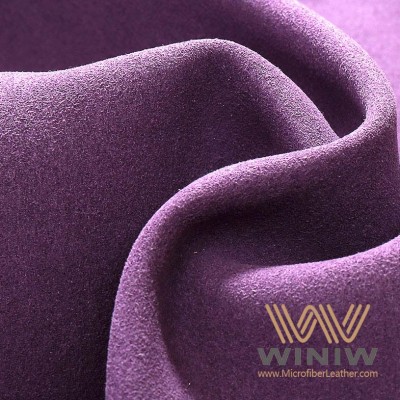
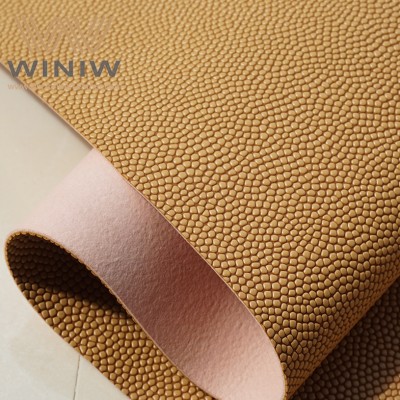
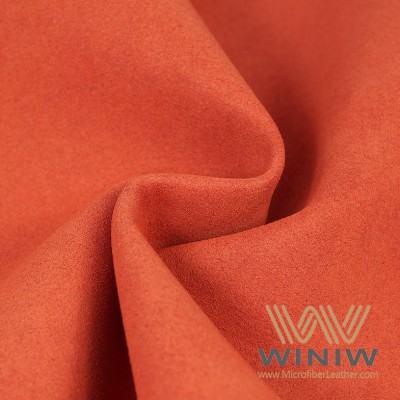
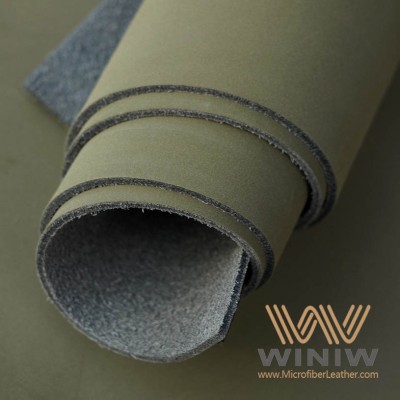
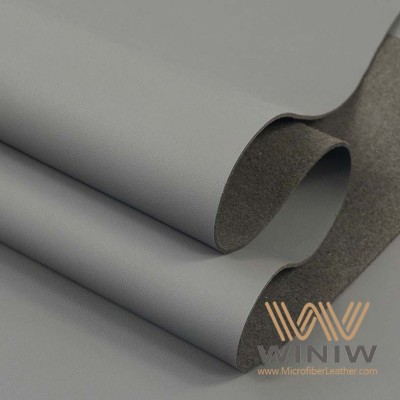
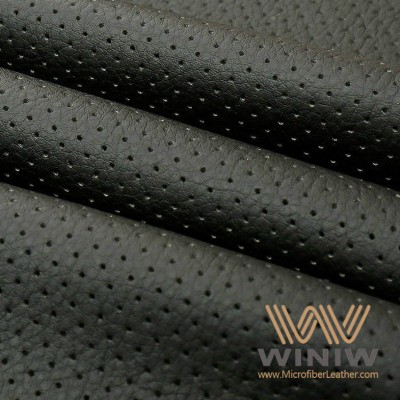
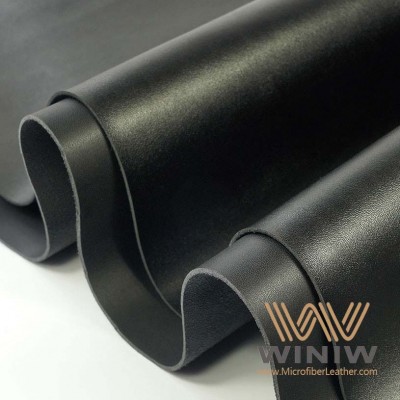
Automotive Leather Upholstery Leather Suppliers
Microfiber Leather Suppliers in China
PU Leather Faux Leather Suppliers
Categories
Product Categories
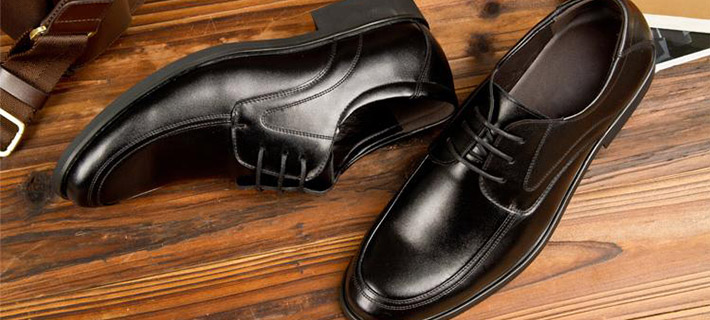
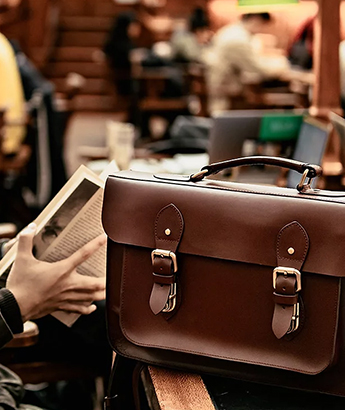
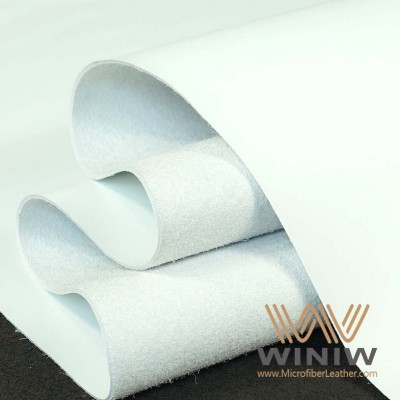
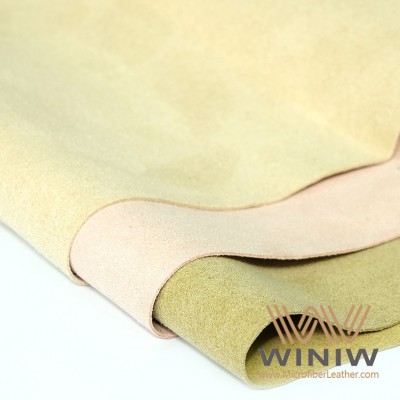
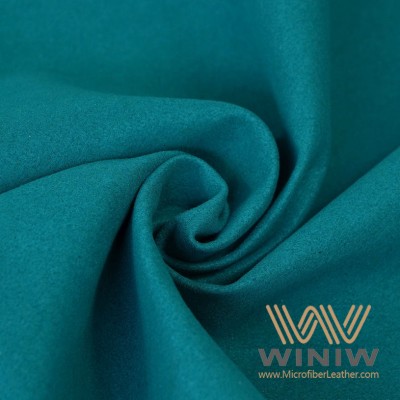
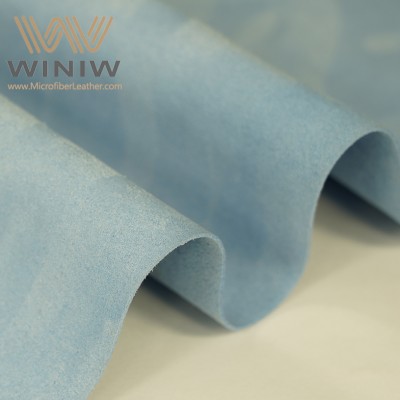
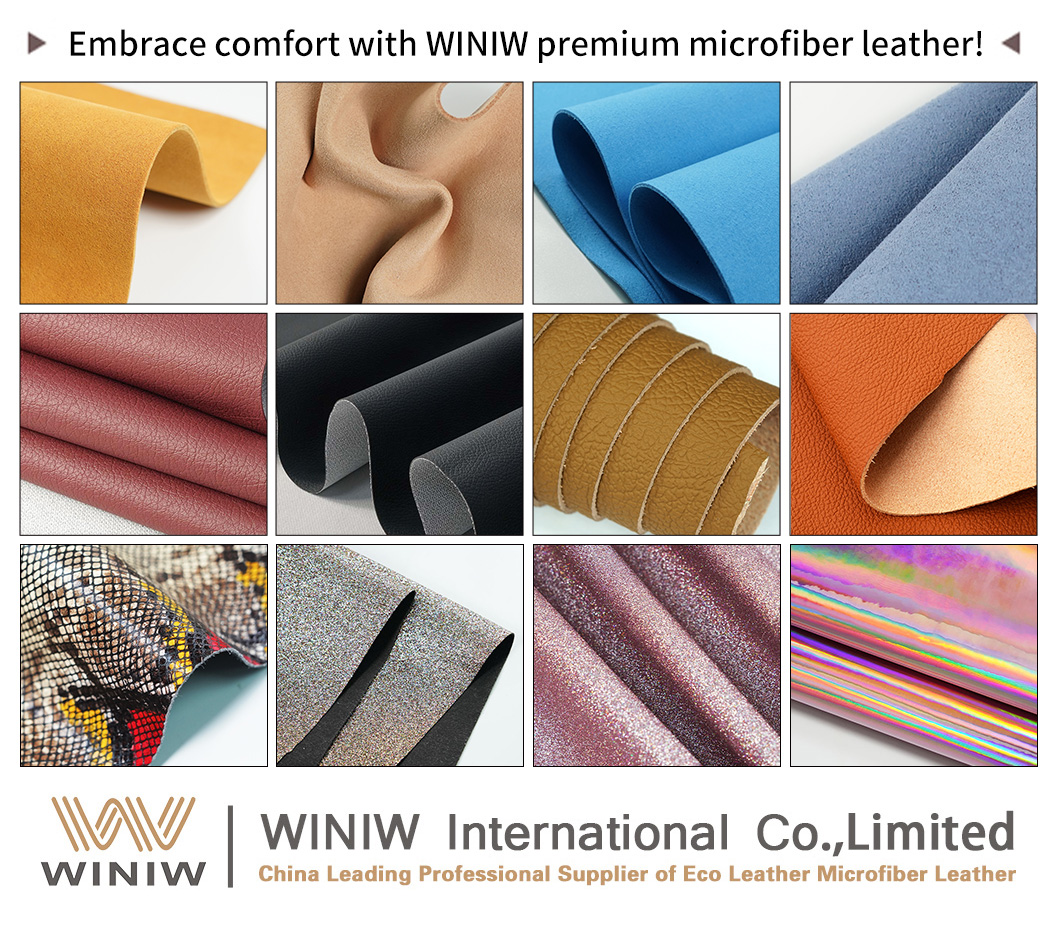
WINIW Microfiber Leather has excellent durability, superior wear resistance, good resistance to acid and alkali, weather resistance, easy for cut and sew, easy to clean and maintain, widely used for automotive, sofa upholstery, footwear, bags, leather goods, garments, gloves, etc.
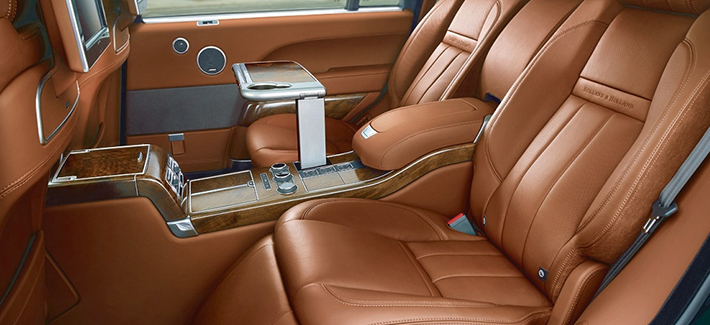
Microfiber Leather for Automotive

WINIW: Your Professional Manufacturer Of Microfiber Leather For Automotive!

WINIW International Co.,Limited was founded in 2000. We supply a wide range of products, such as artificial leather, microfiber leather, microfiber leather for automotive, microfiber leather for sofa, microfiber leather for shoes, etc.

Professional team.

We have an experienced professional team with deep knowledge and technical strength in the leather industry.

Excellent service.

We are committed to providing excellent pre-sales consultation and after-sales service to ensure that customers have a satisfactory shopping experience.

Reliable supply chain.

We have established a stable and reliable supply chain to ensure timely delivery and continuous supply.

Quality control.

We strictly control every production link to ensure that each leather product meets high quality requirements.


What Is Microfiber Leather For Automotive?


Microfiber Leather For Automotive Manufacturer is a synthetic material designed to mimic the look and feel of genuine leather. It is also known as synthetic leather, faux leather, or vegan leather. Microfiber leather is made from a combination of microfiber fabrics and polyurethane (PU) resins, which gives it a leather-like appearance and texture.


Features Of Microfiber Leather For Automotive

  • # Scratch-resistance
    Our microfiber leather for automotive has excellent scratch resistance. Whether in everyday use or in other scenarios, our leathers remain beautiful and durable.
  • # UV-resistance
    WINIW microfiber leather for automotive is UV-resistant, not susceptible to damage from the sun's ultraviolet rays, and retains its vivid colors for a long time.
  • #
  • Solvent-free
    WINIW microfiber leather for automotive is produced using solvent-free technology, without the use of any solvents, which avoids the risk of flammability and explosiveness.


Application Of Microfiber Leather For Automotive


Factors to consider when buying microfiber leather for automotive


  • Quality
    Look for high-quality microfiber leather that is durable, long-lasting, and resistant to wear and tear. The quality of the material will affect its performance and longevity.

  • Appearance
    Consider the aesthetic appeal of the microfiber leather. Look for a product that enhances the interior of your vehicle, matches your style preferences, and provides a sophisticated and elegant look.

  • Sustainability
    If eco-friendliness is important to you, consider microfiber leather that is produced using sustainable and environmentally friendly manufacturing practices.

  • Price
    Determine your budget and find microfiber leather products that offer a good balance between quality and affordability. While higher-quality options may have a higher price tag, they are likely to be more durable and provide better value in the long run.


Common Problems

  • What are the advantages of using microfiber leather for automotive?
  • Microfiber Leather For Automotive Supplier has gained popularity in the automotive industry due to its numerous advantages. Here are some of the benefits of using microfiber leather for automotive applications: high durability, easy maintenance, cost-effective, breathability, eco-friendly and versatility.
  • How to properly clean and maintain microfiber leather for automotive?
  • Microfiber Leather For Automotive Factory is a popular material used in automotive upholstery due to its durability and easy maintenance. Here's how you can properly clean and maintain microfiber leather in your car: regular dusting, spot cleaning, deep cleaning and protection.
  • Is microfiber leather for automotive environmentally friendly?
  • Microfiber leather for automotive is generally considered to be more environmentally friendly than genuine leather for automotive applications. Here are a few reasons why: animal welfare, reduced environmental impact, waste reduction and durability.
  • How long does microfiber leather for automotive last?
  • The lifespan of Microfiber Leather For Automotive Wholesale use can vary depending on several factors, including the of the material, the level of care and, and the amount of wear and tear it experiences. On average, microfiber leather is known for its durability and can last between 5 to 10 years or even longer with proper care.


View details
view more products
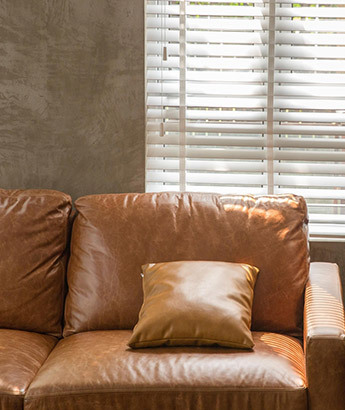
Microfiber Leather for Furniture Sofa

WINIW: Your Professional Manufacturer Of Microfiber Leather For Sofa!

WINIW International Co.,Limited was founded in 2000. We supply a wide range of products, such as artificial leather, microfiber leather, microfiber leather for automotive, microfiber leather for sofa, microfiber leather for shoes, etc.

Professional team.

We have an experienced professional team with deep knowledge and technical strength in the leather industry.

Excellent service.

We are committed to providing excellent pre-sales consultation and after-sales service to ensure that customers have a satisfactory shopping experience.

Reliable supply chain.

We have established a stable and reliable supply chain to ensure timely delivery and continuous supply.

Quality control.

We strictly control every production link to ensure that each leather product meets high quality requirements.


What Is Microfiber Leather For Sofa?


Microfiber Leather Manufacturers, also known as microsuede or microfiber suede, is a synthetic material that is designed to mimic the look and feel of genuine leather or suede. It is commonly used in the production of furniture upholstery, including sofas.


Microfiber Leather Supplier is made from a combination of polyester and polyurethane. The material is created by splitting a layer of microfiber into fine microfibers and then combining them with a polyurethane binder. This process allows the microfiber leather to have a soft, suede-like texture that is similar to genuine leather.


Features Of Microfiber Leather For Sofa

  • # Softness
    WINIW use high-quality raw materials and advanced processing technology to ensure that our microfiber leathers have excellent softness to bring customers a superior user experience.
  • # Easy-maintaining
    WINIW microfiber leather is an easy-maintaining option because it is stain-resistant, abrasion-resistant, and water-resistant. You can easily clean and care for your sofa to keep it beautiful and durable all the time.
  • #
  • Solvent-free
    WINIW microfiber leather for automotive is produced using solvent-free technology, without the use of any solvents, which avoids the risk of flammability and explosiveness.


Application Of Microfiber Leather For Sofa


Factors to consider when buying microfiber leather for sofa


  • Quality
    Look for high-quality microfiber leather that is durable, tear-resistant, and able to withstand regular use. Pay attention to the thickness, density, and overall construction of the material.

  • Appearance
    Evaluate the appearance and texture of the microfiber leather. Ensure it has a soft, luxurious feel and resembles genuine leather. It should also have a consistent color and a natural grain pattern that enhances the overall aesthetic of the sofa.

  • Comfort
    Consider the comfort of the microfiber leather. It should feel soft and comfortable to sit on. Test it by sitting on a sofa or chair upholstered with the material to ensure it provides the level of comfort you desire.

  • Price
    Determine your budget and compare prices from different suppliers. Remember that higher-quality microfiber leather for sofa may come with a higher price tag, but it can offer better durability and longevity.


Common Problems

  • What are the advantages of using microfiber leather for sofa?
  • Using Microfiber Leather For Sofa Factory offers several advantages. Here are some key benefits: durability, easy maintenance, affordability, hypoallergenic, soft and comfortable.
  • How to properly clean and maintain microfiber leather for sofa?
  • Microfiber leather is a popular choice for sofas due to its durability and ease of maintenance. Here's how you can properly clean and maintain microfiber leather for sofa: regular dusting, deep cleaning, drying and brushing.
  • Is microfiber leather for sofa environmentally friendly?
  • Microfiber leather For Sofa  Wholesale is often considered to be more environmentally friendly than genuine leather. However, its environmental impact can vary depending on several factors, including the production and the materials used. Here are some potential environmental benefits of microfiber leather for sofas:  animal welfare, resource conservation, reduced chemical use and waste reduction.
  • How long does microfiber leather for sofa last?
  • The lifespan of Microfiber Leather For Furniture Sofa can vary depending on various factors, such as the of the material, the frequency of use, and the level of care and maintenance. Generally speaking, microfiber leather is known for its durability and longevity. With proper care, it can last many years.


View details
Microfiber Leather for Shoes

WINIW: Your Professional Manufacturer Of Microfiber Leather For Shoes!

WINIW International Co.,Limited was founded in 2000. We supply a wide range of products, such as artificial leather, microfiber leather, microfiber leather for automotive, microfiber leather for sofa, microfiber leather for shoes, etc.

Professional team.

We have an experienced professional team with deep knowledge and technical strength in the leather industry.

Excellent service.

We are committed to providing excellent pre-sales consultation and after-sales service to ensure that customers have a satisfactory shopping experience.

Reliable supply chain.

We have established a stable and reliable supply chain to ensure timely delivery and continuous supply.

Quality control.

We strictly control every production link to ensure that each leather product meets high quality requirements.


What Is Microfiber Leather For Shoes?


Microfiber Leather For Shoes Wholesale is a durable, cost-effective, and sustainable alternative to genuine leather that provides the look and feel of real leather while offering added benefits in terms of durability and ease of maintenance.


Features Of Microfiber Leather For Shoes

  • # Scratch-resistance
    Our microfiber leather for shoes has excellent scratch resistance. Whether in everyday use or in other scenarios, our microfiber leathers remain beautiful and durable.
  • # Lightweight
    The microfiber leather with lightweight can reduce the overall weight of the shoes, making it more comfortable and more convenient to wear, reduces the burden during walking.
  • #
  • Sustainable
    WINIW has a strong focus on sustainability, and we use environmentally friendly materials and production processes to reduce our impact on the environment and contribute to environmental protection.


Application Of Microfiber Leather For Shoes


Factors to consider when buying microfiber leather for shoes


  • Quality
    Look for high-quality microfiber leather that is durable and long-lasting. Check for consistent texture, supple feel, and good craftsmanship. High-quality microfiber leather will be resistant to creasing, tearing, and abrasion.

  • Breathability
    Microfiber leather for shoes can vary in terms of breathability. Shoes that allow air circulation can help keep your feet cool and prevent excessive sweating. Look for microfiber leather that has breathable properties to enhance comfort.

  • Eco-friendliness
    If environmental considerations are important to you, choose microfiber leather that is made from sustainable and eco-friendly materials. 

  • Price
    Consider your budget when choosing microfiber leather for shoes. Prices can vary depending on the quality, brand, and other factors. Set a budget and look for options within that range.


Common Problems

  • What are the advantages of using microfiber leather for shoes?
  • Microfiber Leather For Shoes Factory offers several advantages for shoes. Here are some of the benefits of using microfiber leather: durability, water-resistance, breathability, easy maintenance, cost-effective and environmentally friendly.
  • How to properly clean and maintain microfiber leather for shoes?
  • Microfiber leather is a synthetic material that closely resembles real leather but is more durable and easier to clean. To properly clean and maintain microfiber leather shoes, you can follow these steps: remove dirt and dust, prepare a cleaning solution, clean the shoes, wipe off the cleaning solution, dry the shoes, Brush and fluff the material, apply a protective spray.
  • Is microfiber leather for shoes environmentally friendly?
  • Microfiber Leather For Shoes Suppliers is generally considered to be more environmentally friendly than genuine leather for shoes applications. Here are a few reasons why: animal welfare, reduced environmental impact, waste reduction and durability.
  • How long does microfiber leather for shoes last?
  • The lifespan of Microfiber Leather Shoes Manufacturers can vary depending on factors such as the quality of the material, how well they are cared for, and the frequency of use. Generally, microfiber leather is known to be durable and long-lasting, comparable to genuine leather. With proper care, microfiber leather shoes can last for several years.


View details
Microfiber Leather for Bags

WINIW: Your Professional Manufacturer Of Microfiber Leather For Bags!

WINIW International Co.,Limited was founded in 2000. We supply a wide range of products, such as artificial leather, microfiber leather, microfiber leather for automotive, microfiber leather for sofa, microfiber leather for shoes, etc.

Professional team.

We have an experienced professional team with deep knowledge and technical strength in the leather industry.

Excellent service.

We are committed to providing excellent pre-sales consultation and after-sales service to ensure that customers have a satisfactory shopping experience.

Reliable supply chain.

We have established a stable and reliable supply chain to ensure timely delivery and continuous supply.

Quality control.

We strictly control every production link to ensure that each leather product meets high quality requirements.


What Is Microfiber Leather For Bags?


Microfiber Leather For Bags Wholesale is a high-quality alternative to genuine leather that offers several advantages. Microfiber leather for bags is made from a combination of ultra-thin polyester and polyurethane fibers, which are processed using advanced technology to create a material that closely resembles the look and feel of genuine leather. 


Features Of Microfiber Leather For Bags

  • # Anti-abrasion
    WINIW microfiber leather for bags is expertly treated for excellent abrasion resistance and can withstand daily use and friction to meet customer needs for abrasion resistance.
  • # Light-resistant
    WINIW microfiber leather for bags is treated with advanced technology to give its surface the properties of being resistant to light. This makes suede more durable, able to maintain a good appearance in long hours of sunlight, and does not fade easily.
  • #
  • Sustainable
    WINIW has a strong focus on sustainability, and we use environmentally friendly materials and production processes to reduce our impact on the environment and contribute to environmental protection.


Application Of Microfiber Leather For Bags


Factors to consider when buying microfiber leather for bags


  • Quality
    Consider the quality of the microfiber leather. High-quality microfiber leather should mimic the texture and appearance of genuine leather and offer good performance over time.

  • Strength and Durability
    Assess the strength and durability of the microfiber leather. Ensure that the material can endure regular use, abrasion, and stress without losing its integrity. It should resist scratches, tearing, and fading over time.

  • Eco-friendliness
    If environmental considerations are important to you, choose microfiber leather that is made from sustainable and eco-friendly materials. 

  • Price
    Evaluate the cost of the microfiber leather and consider it in relation to the other factors. While price alone should not be the sole determining factor, it’s essential to find a balance between quality, durability, and cost that suits your budget.


Common Problems

  • What are the advantages of using microfiber leather for bags?
  • Microfiber Leather Factory has become increasingly popular in the manufacturing of bags and other accessories due to several advantages it offers. Here are some of the advantages of using microfiber leather for bags: durability, water and moisture resistance, easy maintenance, eco-Friendly and cost-effective.
  • How to properly clean and maintain microfiber leather for bags?
  • To properly clean and maintain Microfiber Leather For Bags Suppliers, you can follow these steps: Regular Maintenance, Spot Cleaning, Deep Cleaning, Avoid Harsh Chemicals, Protection and Storage.
  • Is microfiber leather for bags environmentally friendly?
  • Microfiber leather for bags is generally considered to be more environmentally friendly than genuine leather for bags applications. Here are a few reasons why: animal welfare, reduced environmental impact, waste reduction and durability.
  • How long does microfiber leather for bags last?
  • The durability of Microfiber Leather For Bags Manufacturers can vary depending on various factors such as the quality the material, how well it is cared for, and how frequently it is used. Generally, microfiber leather is known to be a durable and long-lasting material. With proper care, a well-made microfiber leather bag can last for several years, potentially even up to 5-10 years or more.


View details
Products
Featured Products
Our cooperating factory has more than 15 years experience producing microfiber  leather ,Factory size more than 100 thousands square meters, one advanced microfiber production line, two impregnation production lines, two PU coating production lines, with production capacity of 6 million meters annually. 
new
PU Leather for Trousers: Cutting, Seaming and Pressing Behaviour
PU leather for trousers cut one way up, with face, backing, seam and pressing behaviour trialled on a test leg before a full bulk run is fixed.
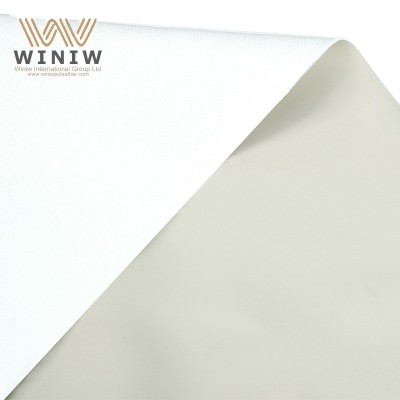
White PU Faux Leather Rollnew
PU Leather for Workwear: One Shade Across a Whole Uniform Range
PU leather for workwear supplied against an approved colour card, with lot numbers held for repeat uniform orders and material-level REACH SVHC screening.
Premium Quality Vegan Faux Leather Fabric for Bag Makingnew
Premium Quality Vegan Faux Leather Fabric for Bag Making
Thickness: 1.3mm. Width: 54″, 137cm Color: Black, White, Brown, Beige, Red, Pink, customized colors. Packing: in rolls Width 1.37 meter. MOQ: 300 meters.
Microfiber Synthetic Suedenew
1.4mm Thick Microfiber Suede Artificial Leather
Material: nylon + PU. Thickness: 0.4mm - 2mm. Width: 54”. Color: Black, Beige, Grey, Brown, Wine, Camel, Tan, Cinnamon, Red, Green, all colors available.
Basketball Leathernew
Basketball Leather Fabric Materials Supplier
Material PU Backing Technics Nonwoven Pattern Embossed Width 54/55″ Use Decorative, Football, Upholstery, Basketball Feature Waterproof, Abrasion-Resistant Thickness 1.2mm-2.0mm
Durable Vinyl Microfiber Suede Leather for Autonew
High Quality Durable Vinyl Microfiber Suede Leather for Auto
1. Good hand-feeling with soft touch, natural and superfine grains 2. Abrasion-resistant and Scratch-resistant 3. flame-retardant, US standard or UK standard flame retardant 4. Odourless 5. Easy to take care of and disinfect
Nubuck Leather for Trekking Shoeshot
Nubuck Leather for Trekking Shoes
Material:Nylon+PU Pattern:Nubuck Width:54'' / 137±3cm Use:Trekking Shoes Thickness:0.8mm-2.0mm      
Automotive Leather Skin Nappahot
1.2 mm Eco Faux Nappa Skin Fabric For Auto Interior
Material Nylon + PU Backing Technics Nonwoven Width 54/55″ Use Car Seat, Car, Seat covers.Vehicle doors.Vehicle penal.Dash board.Steering wheel covers.Car roof.Headrest.Interior cars upholstery.Armrest Feature Waterproof, Anti-Mildew, Abrasion-Resistant, Sustainable Thickness 0.6mm-2.0mm Width 1.37m; 54
High Quality Perforated Microfiber Leather For Autohot
High Quality Perforated Microfiber Leather For Auto
Perforated Nappa Leather for Automotive Material: Microfiber Leather. Thickness: 1.0mm, 1.2mm. Color: all colors available. Packing: roll packing. MOQ: 300 meters.
High-End PU Synthetic Leather for Shoeshot
High-End PU Synthetic Leather for Shoes
High-End PU Synthetic Leather Suppliers Manufacturer in China. WINIW Microfiber Leather is the best quality PU Synthetic Leather material. Leather looks feels, excellent tear and tensile resistance, high flexibility, superior abrasion resistance, lighter weight but even more stronger, is the best leather alternative material for shoes upper and lining!     
High Resilient Microfiber Vegan Leather for Shoeshot
High Resilient Microfiber Vegan Leather for Shoes Upper
High Resilient Microfiber Vegan Leather Suppliers Manufacturer in China. WINIW Microfiber Leather is the best quality Vegan Leather, tear and tensile resistant, high wear resistance, can replace leather perfeclty for shoes upper and lining!     
Suede Microfiber Faux Leather for Bag Lininghot
Suede Microfiber Faux Leather for Bag Lining
Material: microfiber + PU. Thickness: 1.2mm. Width: 54”. Color: Black, Grey, Beige, Brown, Wine, all colors available.
Microfiber Eco-Suede for Jewelry Boxhot
0.4mm Velvet Suede Eco-Suede for Jewellery Box Display
Material: Microfiber. Thickness: 0.4mm, 0.5mm, 0.6mm. Width: 140cm±3cm. Color: Black, Beige, Navy Blue, Khaki, Grape Wine, Elder White, Grey, Dark Anthracite, or as per customers requirements.
Basketball Leatherhot
Basketball Leather Fabric Materials Supplier
Material PU Backing Technics Nonwoven Pattern Embossed Width 54/55″ Use Decorative, Football, Upholstery, Basketball Feature Waterproof, Abrasion-Resistant Thickness 1.2mm-2.0mm
PU Suede Leather Materials for Autohot
PU Suede Leather Materials Micro Fiber Suede Leather
Thickness: 0.6mm – 2.0mm. Width: 1.37m. Color: all colors available. Packing: 30/50 meters per roll.
Durable Vinyl Microfiber Suede Leather for Autohot
High Quality Durable Vinyl Microfiber Suede Leather for Auto
1. Good hand-feeling with soft touch, natural and superfine grains 2. Abrasion-resistant and Scratch-resistant 3. flame-retardant, US standard or UK standard flame retardant 4. Odourless 5. Easy to take care of and disinfect
  • adv01

    Our cooperating factory has more than 15 years experience producing microfiber  leather ,Factory size more than 100 thousands square meters, one advanced microfiber production line, two impregnation production lines,with production capacity of 6 million meters annually.

  • adv02

    WINIW have very strong R&D ability, we have experienced engineers and workers, advanced production lines and standard management system.

About
About Us
Winiw International Group Ltd, is the leading professional supplier of high end Microfiber Synthetic Leather in China. We are devoted to providing the optimal leather options and leather substitute materials for the industry of automotive, sofa upholstery, footwear, bags, garments, sports, and other fields.
Material
Our Material
WINIW microfiber leather products have a luxurious appearance and are available in a variety of colors and textures to suit your unique custom designs. WINIW Microfiber Leather is lightweight, up to 30% lighter than natural leather to meet lightweight
view more Material
Advantage
Our Advantage
China Leading Professional Supplier of Eco Leather Microfiber Leather.
  • Professional
    Professional
    we are devoted to providing the optimal leather options, the best leather substitute and best leather alternatives for our respected customers from all over the world.
    view more
  • Animals-Friendly
    Animals-Friendly
    Strong Environment protection, reach Eco-friendly standards: ROHS,EU REACH,etc.
    view more
  • Service
    Service
    Under the principle of win-win cooperation, WINIW always provide the high quality materials and best service, and work for long term partnership with all our customers.
    view more
News
Latest News
We provide the optimal leather options, the best leather substitute and best leather alternatives for automotive seat covers and interiors, furniture & sofa upholstery leather, footwear and shoes, bags, garments, gloves, balls, etc.
Understanding Faux Leather: What It Is and Its Manufacturing Process
Image Source: unsplash You can find faux leathers in jackets, bags, and car seats. Faux leathers are also referred to as synthetic or artificial leather. They look and feel like real leather but are made from different materials. Manufacturers use a base of polyester or cotton and cover it with polyurethane or polyvinyl chloride. Polyurethane helps the fabric breathe and is better for the planet, while PVC does not last as long and can harm the environment. Artificial leather, or faux leathers, costs less, is easy to clean, and has a long lifespan. This is why some people choose it over real leather. Material Properties Environmental Impact Polyurethane (PU) Breathable, more sustainable More eco-friendly Polyvinyl Chloride (PVC) Less breathable, releases toxins Less environmentally friendly Vegetable Oil Leather Durable, expensive, niche More environmentally friendly Key Takeaways Faux leather is a man-made material. It uses polyester or cotton. It has a coating of polyurethane or polyvinyl chloride. Faux leather looks like real leather. It feels like real leather. It does not use animals. PU faux leather is better for the environment. It lasts longer than PVC faux leather. PU faux leather is softer. It is easy to clean. People use it in clothes and furniture. Faux leather costs less than real leather. It needs less care. You can clean it with mild soap and water. This makes it good for daily use. New faux leather types are being made. They use things like pineapple leaves and mushrooms. These kinds are better for the planet. They help cut down on plastic waste. Think about your values when you choose. Faux leather is vegan and kind to animals. Real leather lasts a long time and gets better as it ages. What Is Faux Leather? You might see faux leather on tags or labels. It is used in clothes, furniture, and cars. Faux leather looks like real leather but does not use animal parts. Factories start with a fabric base like polyester or cotton. They cover it with polyurethane or polyvinyl chloride. Polyurethane makes the material bend easily and keeps water out. This process creates what people call artificial leather, leatherette, or PU leather. Note: Synthetic leather is vegan because it has no animal parts. Many people like it for being cruelty-free. When you touch faux leather, you may notice these things: The top feels smooth and sometimes a little like plastic. The grain pattern is very even because machines make it. Faux leather does not have the small flaws or pores of real leather. The texture feels flat and can be cold. Synthetic leather is mostly made from petroleum-based stuff. Polyurethane is important because it helps keep water out and lowers the price. Companies like faux leathers because they can pick how it looks and feels. Synthetic Leather vs. Real Leather You might wonder how synthetic leather is different from real leather. The differences are more than just how they look. Here are some main points: Real leather comes from animal skin. It has small flaws, tiny holes, and gets a special look as it gets older. Synthetic leather, like faux leather, is made from things like polyurethane and PVC. It has an even grain and does not change much as it ages. Real leather is strong and lets air pass through. If you take care of it, it can last many years. Synthetic leather is not as strong and can get damaged after a few years. Most synthetic leather items last less than five years. Real leather breaks down in landfills, but synthetic leather can last for hundreds of years and may hurt the planet. 📝 Tip: If you want something that gets better with age and lasts long, real leather is a good pick. If you want a vegan, cheap, and easy-to-clean choice, synthetic leather may be better. What people like also matters a lot. In the United States, most buyers of synthetic leather want animal-free and earth-friendly materials. Younger people often pick cruelty-free things, especially for clothes and cars. In Asia-Pacific, more people buy synthetic leather as they earn more and follow new styles. Faux Leather Manufacturing Image Source: pexels Fabric Base Selection Making synthetic leather starts with picking a fabric base. This base helps the final product stay strong and keep its shape. Factories use polyester, cotton blends, or microfiber. Each type has its own good points, shown in the table: Fabric Base Advantages Woven or nonwoven polyester Provides strength and durability Cotton blends Offers breathability and comfort Microfiber substrates Enhances flexibility and softness The fabric base changes how faux leather feels and lasts. Polyester makes it tough and strong. Cotton blends make it soft and let air move through. Microfiber makes it bend easily and feel extra soft. Factories often pick rough and porous fabrics. These need special steps to make them smooth and strong. The base you pick changes how pleather, vegan leather, and other faux leathers turn out. PU and PVC Coating After picking the base, the next step is coating. The fabric gets covered with polyurethane (PU) or polyvinyl chloride (PVC). This step is important for making synthetic leather. The coating makes it look like leather and keeps water and stains away. PU leather is the most used type. Companies like PU because it bends well and lasts longer. PU is also better for the planet. It works well for shoes and car seats. PVC coating costs less but can get scratched or dented. PVC is best for things that do not move much. Here are tables to compare the coatings: Coating Type Environmental Impact PVC Criticized for producing toxic chlorine compounds and harmful substances like dioxins during disposal. PU Smaller environmental footprint with innovations like water-based and bio-based alternatives reducing impact. Coating Type Performance Characteristics PVC Good durability but prone to scratches and dents; better for low-friction applications. PU Excels in wear resistance and impact resistance, suitable for high-abrasion applications. PU-based synthetic leather is the most common. PU leather is flexible, strong, and better for the environment than PVC. Most faux leather today uses PU coatings. Finishing Touches The last step is finishing the synthetic leather. This step makes it look and feel like real leather. Factories use different ways to make artificial leather look nice and last longer. Finishing Process Description Texturizing and Embossing Uses embossing rollers or molds to create patterns that mimic natural leather textures. Coloring and Finishing Applies dyes, pigments, and protective topcoats to enhance color, sheen, and durability. Curing and Drying Cures the fabric with heat to bond layers and stabilize material properties. You may see faux leather with cool patterns or bright colors. Factories press grain patterns onto the surface. They add dyes and pigments for color. A topcoat helps stop stains and fading. Heat is used to cure the fabric and make it strong. Synthetic leather uses petroleum-based materials for both the base and coating. This process makes many products, like pu leather jackets and vegan leather bags. You can find artificial leather in lots of styles and finishes because of these steps. Types of Faux Leathers PU Faux Leather PU faux leather is used in jackets, bags, and furniture. It starts with a fabric base like polyester. Then, it gets a layer of polyurethane on top. Factories use wet or dry methods to make it. The wet way makes the material soft and lets air pass through. This is good for shoes and clothes. The dry way gives many looks, so it works for bags and furniture. Here is a table that shows what makes PU faux leather special and where it is used: Characteristic/Use Description Softness and Weight PU leather is softer and lighter than animal leather. UV Resistance It does not get damaged by sunlight as easily as animal leather. Water Resistance PU leather keeps water out but is not fully waterproof. Maintenance You can clean it with mild soap and water. Cost It is cheap because it is made in large amounts. Vegan-friendly People like it because it is an ethical choice. Versatility You can dye and shape it in many ways. Common Uses It is used in clothes, furniture, and accessories. 📝 Tip: PU faux leather is great if you want something soft, easy to clean, and vegan-friendly. PVC Faux Leather PVC faux leather uses polyvinyl chloride for its coating. This type is tougher and works well for things that get used a lot, like car seats or booths. PVC feels harder and less like real leather than PU. It also does not let air pass through as well. PVC faux leather is strong and easy to wipe clean. It loses its shine and can crack or tear after some time. This material can cause allergies and makes a lot of waste. Feature PVC Faux Leather PU Faux Leather Durability Stronger and better for busy places Good but not as tough as PVC Comfort Feels hard and less like real leather Feels soft and more like real leather Care & Maintenance Easy to clean and does not stain much Easy to clean but can stain more ⚠️ Note: Making PVC can release bad chemicals like dioxins and phthalates. These can hurt people and the planet. PVC does not break down and adds to trash. Other Synthetic Leather Types In the last ten years, there are many new faux leathers. Brands now make more eco-friendly choices. Some companies use natural ways to dye and tan, which helps the earth. Some faux leathers are made from pineapple leaves, mushrooms, or apple skins. Others use fungi (mycelium), kombucha, or cactus fibers. Microbial and lab-grown leathers are also getting popular. These new types try to use less plastic and help the planet. Type of Leather Material Base Mycelium leather Made from fungi (mycelium) Plant-based leather Made from different plants Microbial leather Made using microbes Lab-grown leather Made in labs These new options look and feel like regular faux leather fabric. Many use less plastic and focus on being good for the earth. When you shop, you can pick from many artificial leather products that match what you want and care about. Pros and Cons Durability Faux leather keeps out stains and water better than real leather. But it is not as strong as genuine leather. It can crack, peel, or lose color after a few years. How long faux leather lasts depends on its quality. Cheap pleather wears out fast, especially in the sun or heat. Some problems you might see are: Cracking and peeling after normal use Color fading as time goes by Damage from heat or water Wears out faster if made with cheap materials Real leather is strong and gets better as it ages. Faux leather does not last as long, but it is good at stopping stains and spills. Cost and Maintenance Faux leather is cheaper than real leather. Real leather costs more because it comes from animals and needs special care. Faux leather is sold by the yard, so it is less expensive for big projects. If you buy vegan leather furniture or bags, you save money compared to real leather. Cleaning fake leather is simple. You just need mild soap and water. You do not need conditioners or worry about stains. Here is a table that shows how to care for each: Material Maintenance Requirements Real Leather Needs regular conditioning, protection from moisture, and quick cleaning of spills. Faux Leather Easy to clean with mild soap and water, resists UV damage, no conditioning needed. You spend less time and money taking care of faux leather than real leather. Environmental Impact If you care about the earth, you should know the good and bad sides of faux leather. Faux leather makes less pollution than real leather. Making one square meter of faux leather uses less water and energy. For example, making a real leather tote bag uses over 17,000 liters of water. Most real leather is tanned with chemicals that can hurt the planet. Type of Leather Carbon Footprint (kg CO2e per square meter) Genuine Leather 110.0 Faux Leather 15.8 But faux leather is made from plastics that come from oil. It does not break down in landfills and can add to plastic trash. Real leather breaks down and can be recycled more, especially in Europe and North America. Faux leather is hard to recycle, so think about how to throw it away when you buy it. Uses of Faux Leather Fashion and Apparel Faux leather is very common in fashion today. Designers use it to make cool and cheap clothes. You can buy faux leather jackets, skirts, and pants at many stores. These clothes are now a big part of what people wear. Faux leather is also used for handbags, belts, and wallets. These items look stylish and are useful. Many people pick faux leather shoes and boots because they last and look nice. Coats and biker jackets made from faux leather keep you warm and look cool in cold weather. Clothing: jackets, skirts, pants Accessories: handbags, belts, wallets Footwear: shoes, boots Outerwear: coats, biker jackets In the last ten years, more people want cruelty-free things. Vegan options are getting more popular. Brands like Nike and Gucci use new materials like mycelium and cactus leather. Searches for "vegan leather" have gone up by 69% in two years. Fancy brands are stopping the use of exotic skins and fur. This shows people care more about the planet. Now, you have more animal-free fashion choices than ever. Furniture and Automotive Faux leather is often used for furniture and car seats. You might see it on sofas, chairs, and inside cars. Companies choose faux leather because it costs less than real leather. It is simple to clean and does not fade or crack easily. This makes it great for busy homes and cars. More affordable than genuine leather Easier to maintain Resistant to fading, staining, and cracking Sleek and modern appearance Faux leather is good for places that need strong materials. It can handle spills and lots of use. That is why you see it in restaurants, offices, and cars. You get a modern look without spending too much money. Everyday Products Faux leather is used in many things you use every day. Backpacks, phone cases, and watch straps often use faux leather. Some notebooks and planners have faux leather covers to look nice and feel professional. Even headphones and camera bags use faux leather for comfort and style. Product Type Common Examples Accessories Backpacks, phone cases, wallets Office Supplies Notebook covers, planners Tech Gear Headphone bands, camera bags Faux leather gives you style, usefulness, and good value in things you use every day.   You now know how factories make faux leather and why it is popular. When you look at faux leather vs real leather, you see big differences in cost, care, and how long each lasts. You can choose from different types of faux leather for clothes, furniture, or accessories. Faux leather gives you a vegan, easy-to-clean option. Think about your needs and values before you decide which material works best for you. FAQ What is imitation leather and how does it differ from real leather? Imitation leather looks like real leather but does not use animal parts. Factories make it with fabric and plastic layers. Real leather comes from animal skin and feels different. Imitation leather is smoother and costs less money. How do manufacturers make faux leather look and feel like real leather? Factories use machines to press patterns onto the surface. They add color and protective layers. These steps help the material look like real leather. Heat is used to make it stronger and last longer. How to clean synthetic leather without damaging it? Use mild soap and water to clean synthetic leather. Wipe gently with a soft cloth. Do not use strong chemicals or scrub hard. Dry it with a towel after cleaning. This helps keep your item looking nice and stops cracks. How to repair faux leather if it cracks or peels? Small cracks can be fixed with a repair kit. You can use patches or liquid fillers. Clean the spot first before fixing it. Put on the filler and let it dry. If the damage is big, you may need to get a new item. Why do manufacturers choose faux leather for furniture and car seats? Factories pick faux leather because it is cheaper and resists stains. It is easy to clean and looks modern. Faux leather works well in busy places. It gives style and comfort for less money.
Sep 02, 2025 Read More
  • Microfiber Leather: The Secret Behind Unbreakable Industrial Products​
    Microfiber Leather: The Secret Behind Unbreakable Industrial Products​
    May 22, 2025 Read More
    When durability defines profit margins—think factory downtime, recalls, or safety lawsuits—settling for weak materials isn’t an option. Microfiber leather, engineered to outlive and outperform, is the silent hero in industries where failure costs millions. As a ​​Top 5 Global Supplier​​, WINIW International Co., Ltd reveals how this material solves what others can’t. ​​The Durability Gap: Why Traditional Materials Fail​​ ​​Real Leather​​: Cracks in dry heat, rots in humidity, stains easily. ​​PU/PVC​​: Peels after 2 years, leaks microplastics, melts under heat. ​​Microfiber Leather​​: Combines the best of synthetics and natural fibers—​​10+ years​​ of abuse without flinching. ​​3 Industries Winning with Microfiber Leather​​ 1️⃣ ​​Energy Sector​​ ​​Oil Rig Boots​​: Resist sulfuric acid, crude oil, and 10,000+ foot flexes. ​​Wind Turbine Covers​​: Survive saltwater storms and UV bleaching for 8+ years. 2️⃣ ​​Urban Infrastructure​​ ​​Subway Seat Upholstery​​: Endure 15 million passengers without wear (proven in Tokyo and Berlin metros). ​​Emergency Vehicles​​: Interior surfaces surviving daily bleach-downs and trauma impacts. 3️⃣ ​​High-Tech Manufacturing​​ ​​Cleanroom Equipment​​: Anti-static, chemical-proof surfaces for semiconductor labs. ​​Robotic Arm Grips​​: 200,000+ friction cycles with zero degradation. ​​5 Tests That Redefine “Tough”​​ ​​-30°C Freeze + 120°C Bake​​: No cracking or stiffness after 100 thermal cycles. ​​Acid Bath Resistance​​: Immersed in pH 2 sulfuric acid for 24 hours—zero corrosion. ​​Salt Spray Torture​​: 1,000 hours of simulated ocean air (equals 10 years offshore). ​​50,000 Flexes​​: SATRA TM-31 tested for folding furniture and footwear. ​​UV Armor​​: 1,500+ hours of UV exposure (5+ years) with 95% color retention. ​​WINIW’s Formula: Beyond “Durable”​​ ​​Smart Customization​​: Embed RFID tags, add fireproofing (UL 94 V-0), or adjust grip for slippery environments. ​​Global Compliance​​: IATF 16949 (automotive), ISO 10993 (biocompatibility), REACH (chemical safety). ​​Circular Design​​: 40% recycled fibers + 100% recyclable at end-of-life. ​​Cost-Saving Proof: By the Numbers​​ ​​Automotive​​: Cut seat replacement costs by 70% in ride-share fleets. ​​Healthcare​​: Hospital privacy curtains last 8x longer than PVC alternatives. ​​Aerospace​​: Aircraft interiors reduce weight by 30% vs. traditional leather. ​​Your Turn to Eliminate Compromises​​As a ​​Top 5 Supplier​​, WINIW doesn’t just meet standards—we redefine them. ​​Request a FREE durability audit​​ or test our samples against your toughest conditions. Discover why industries under extreme pressure refuse to accept anything less.
  • Pandora Velvet Jewelry Box: Lining and Shell Materials
    Pandora Velvet Jewelry Box: Lining and Shell Materials
    Nov 26, 2026 Read More
      WINIW Technical Team Coated and microfiber leather for jewelry packaging. We describe what the material does, and we stop where our data stops. JEWELRY BOX LINING · MICROFIBER SUEDE · BUYER GUIDE Introduction Open a pandora velvet jewelry box and the judgement is already made. The lid lifts, the pile catches the light, and somewhere in the first two seconds the buyer decides whether the piece inside is worth what it cost. None of that decision is made by the logo. It is made by the layer the jewelry sits on, and by the shell that layer is glued to. This page is written for the people who have to specify that layer: packaging developers at jewelry brands, box makers quoting a bridal or gifting programme, and buyers comparing swatch books from three suppliers. It works backwards from the finished box to the two materials that make it, a suede-like lining on the inside, a coated shell on the outside, and it says plainly where our measured data ends. A note on the name: brand names appear here only because buyers search with them. WINIW supplies lining and covering material to box makers; we do not manufacture boxes for, or represent, any jewelry brand mentioned on this page. What follows is how this class of box is built, not a description of anyone’s private process. Embossed PU covering for a box shell, 0.4–0.6 mm, photographed under flat light so the grain reads, open → What “Velvet” Means Once It Is Inside a Box In retail copy, velvet is an adjective. Inside a pandora velvet jewelry box it is a construction. Velvet describes a cut-pile surface: fibres standing up from a base, dense enough that light reflects off the tips and the surface changes shade as the pile direction changes. Silk, cotton, viscose and polyester can all be made into velvet, so the word tells you how the surface is built, not what it is made of. That distinction matters the moment a brand asks for “the velvet like the one in the box we saw at the counter”. What they are usually pointing at is not a woven silk velvet. It is a microfiber suede, a fine-fibre material, brushed or cut to a short uniform pile, bonded to a thin backing so it can be cut, folded and glued without fraying. It reads as velvet to the customer and behaves like a sheet to the box maker. That behaviour is the whole reason it exists. A lined box is a stack of decisions, and each layer constrains the next. The rigid shell, greyboard, MDF or wood, sets the geometry. Wadding softens the lid and takes up the gap between board and fabric. The lining is the only layer the customer ever touches, and it has to do three jobs at once: look deep, feel soft, and survive being glued around a corner without wrinkling. Velvet, Flocking and Microfiber Suede Are Not the Same Thing Green suede roll, the lining grade most boxes use, open → Flocking is the cheapest of the three and the easiest to spot after two years of use. Short fibres are sprayed onto an adhesive-coated panel and cured in an electrostatic field. There is no carrier, so the surface has nothing to hold it together: it scuffs through at the corners, shows the board underneath, and cannot be re-covered without stripping the panel. It is right for a printed display card. It is wrong for a box that will be opened in a shop every day. Woven velvet is the material most people picture: a pile woven into a ground cloth, with drape and a deep directional sheen. It is beautiful on a large flat lid and difficult on a 6 mm radius, because the pile moves under the adhesive and the cut edge wants to unravel. In production it is usually reserved for show pieces where labour cost is not the constraint. Microfiber suede sits between the two, and it is what most serious jewelry packaging ends up using. The fibre is fine enough to give a dense, short pile; the backing gives the sheet dimensional stability, so the material cuts cleanly, holds a die-cut shape, and takes adhesive without strike-through. Our lining range for this trade runs at 0.4 mm, 0.5 mm and 0.6 mm, in the colours a packaging programme normally needs. If you want the full specification of the velvet-faced option rather than the suede-faced one, that sits on the velvet suede page. The Shell Nobody Talks About The lining only looks flat because something underneath it is flat. On a wrapped box that something is a coated sheet, a polyurethane face over a woven backing, glued and turned over the board edge. The face is what the customer sees when the box is closed. The backing is what the box maker actually fights with. The same covering turned back on itself: embossed face above, woven backing below, open → Three things go wrong at that turn. A backing that is too stiff will not follow a tight radius, so the corner lifts within a week. A backing that is too loose will stretch under the glue and leave a ripple along the lid edge. A face that is too thick relative to the board will telegraph the board’s cut line through the surface. None of these show up on a flat swatch. They show up on the first production box, which is why the corner is the only test worth running before a bulk order. Roll width decides how much of that material you throw away. Our coated sheet for packaging runs at 54″ / 137 cm, which is a deliberate compromise: wide enough to wrap a full lid in one piece without a seam, narrow enough that a small ring box does not leave half the roll on the floor. If your box range is mostly small, ask for a cutting plan before you ask for a price. Technical Specifications Two materials carry a velvet jewelry box, and they are specified separately. The table below lists what we hold data for. Where a row is not measured, it says so, it is not replaced with an estimate. Parameter Microfiber suede lining Data status Thickness 0.4 / 0.5 / 0.6 mm Specification sheet Construction Fine-fibre pile on a thin backing Specification sheet Roll width Confirmed per order Specification sheet Minimum order 300 m Standard terms Surface options Flat suede, velvet-faced, embossed Colour card Cutting Die-cut sheets and trays available Per project Weight, abrasion, peel strength, colour fastness Not held as measured values for this grade Can be run to the same method on request The last row is the one most supplier pages leave out. A velvet box is usually bought on look and feel, and a page that quotes an abrasion figure the factory never measured is worse than a page that says nothing. If you need a number for a tender document, tell us the method and the panel size and we will have it tested rather than estimated. How Thickness Is Verified A 0.6 mm grade between the anvils, recorded per roll, open → Thickness on a jewelry lining is not a preference, it is a fit. A 0.4 mm sheet wraps a tight radius and closes a lid flush. A 0.6 mm sheet gives a deeper, plusher read and takes up more space inside the box, which is fine in a drawer liner and wrong in a ring slot that was cut for a thin tray. Change one number and the insert has to change with it. We check with a micrometer at several points across the roll rather than once at the head end, because pile and backing vary along a run and the reading at the first metre is the most flattering one. That is why buyers specifying a pandora velvet jewelry box usually ask for the three gauges side by side before they choose. The reading in the photo is a 0.6 mm grade held between the anvils with the pile compressed, the operator records the value and the position, and the roll carries that record to packing. It is a simple habit, and it is the difference between arguing about a complaint with data and arguing without it. Inserts Decide What the Buyer Sees A pandora velvet jewelry box can be perfectly lined and still photograph badly, because the insert is what fills the frame when the lid opens. Ring slots, earring posts, a necklace tab, a watch pillow: each one is a piece of the lining material wrapped over a shaped core, and each one fails differently. Slots that are cut a fraction wide let the ring sit down and disappear. Slots that are cut tight grip the shank and mark the plating on the way out. A die-cut suede tray with ring slots, lined in the same material as the lid, open → This is where a lining supplier can save a box maker a mould. If the material can be die-cut cleanly to size, the workshop can line a tray in one pass instead of wrapping strips by hand, and the tray keeps its shape because the sheet has a backing rather than a loose pile. We cut trays and sheets to a drawing; the drawer-style lengths are covered on the tray insert sheet page, and the soft-wrap version on the fitted lining page. One Roll, Three Places: Box, Tray and Counter A packaging programme rarely buys one material for one box. The same suede that lines the lid usually lines the tray, covers the counter pad the tray sits on, and reappears on the busts behind it. Keeping all of that on one substrate is the cheapest way to keep a retail scheme looking deliberate, because colour and pile height match without anyone re-approving a swatch. Box lining, tray lining and counter busts in the same suede family, open → The catch is wear. A lid lining is touched twice a day; a counter pad is touched by every customer who leans on the glass. When the same material does both jobs, the counter version is the one that fails first, and the failure looks like a range-wide quality problem rather than a single worn pad. Where the counter is the harder life, specify the heavier gauge there and keep the thin one for the box, same colour, different number. What Buyers Ask Before They Commit Three questions come up in almost every enquiry that starts from a velvet box. The first is velvet against felt. Felt is denser and flatter; it hides gaps and takes a printed logo well, but it has almost no sheen, so under shop lighting it reads as a work surface rather than a presentation surface. Velvet-faced or suede-faced material is chosen when the piece needs lift, and felt when the box has to disappear. Several programmes use both: felt under the tray, suede on the lid. The second is flocking against a lined sheet. Buyers often ask for “self-adhesive velvet flocking liner” because that is what the search bar suggests, and for a one-off craft project it is the right answer. For a production box it is not, because the flock has no carrier to cut against and no backing to hold a die-cut edge. If the brief says flocking, we quote a lined sheet instead and explain the difference on the swatch card, so the sample that comes back is the material that will actually run. The third is thickness. There is no correct answer in isolation: 0.4 mm for tight radii and shallow trays, 0.5 mm as the general-purpose number, 0.6 mm where the box should feel padded or where the lining has to span a wide lid without telegraphing the board. Send the drawing and the slot dimensions and the choice usually makes itself. Buyers who want to see the difference before committing can take the three gauges as A4 swatches and wrap a corner themselves, that single test answers more than a spec sheet does. Quality Checks We Can Document Five checks run on every order of lining material for jewelry packaging. Each one produces a record that travels with the roll, so a complaint can be answered from data instead of memory. Thickness reading. Micrometer at several points along the roll, nominal gauge recorded with the position of each reading. Colour against the approved swatch. Compared under the same light source as the swatch that was signed off, because a pile surface shifts shade between daylight and shop lighting. Pile and hand. Surface checked flat and raked, looking for tracking marks, crushed pile or a direction change that would show as a band across a lid. Cut edge. A test cut confirms the backing holds the pile and the edge does not shed, which is what decides whether the material can be die-cut for trays. Roll and packing. Roll length, core, wrap and humidity protection checked before dispatch, since a soft lining that takes on moisture in transit arrives with a set that no amount of pressing removes. What we cannot document is a wear figure or a colour-fastness grade for these specific packaging grades, because those tests have not been run on them. We would rather write that sentence than borrow a number from an automotive suede report, which is a different material measured for a different end use. If your tender needs the number, ask for the test and we will run it to the method you name. WINIW has been coating and finishing microfiber and PU leather for over two decades, supplying box makers, display manufacturers and packaging converters. Our position on this page is narrow on purpose: describe the layer, be clear about which values exist, and let the sample do the rest. If a competitor’s page quotes a total solution, that is their claim, not a measurement. FAQs Is a velvet jewelry box lining real velvet? Usually not. Most pandora velvet jewelry box interiors use a microfiber suede with a short brushed pile, which looks and feels like velvet but is supplied as a backed sheet so it can be cut and glued. Woven silk or viscose velvet exists in luxury packaging, but it costs more and behaves differently at a corner. Should I use flocking or a lined sheet for a jewelry box? Flocking suits display cards and one-off projects. A lined sheet is the production choice: it has a carrier, cuts cleanly, holds a die-cut shape and can be replaced without stripping the board. Buyers searching for self-adhesive flocking liner are often better served by a thin lined sheet on adhesive. Which thickness should a ring box lining be? 0.4 mm for tight radii and shallow slots, 0.5 mm as the general choice, 0.6 mm where the lid should feel padded. The slot dimensions decide it more than the look does, send the drawing and the choice is straightforward. What is the minimum order for lining material? 300 m per colour for the standard range. Programs that mix several colours across a box family are quoted per colour rather than as a lump sum, so the small boxes do not subsidise the large ones. Can the lining come already die-cut for trays? Yes. Send the tray drawing and the sheet is cut to size, including ring slots and corner reliefs. Die-cut supply removes the wrapping step at the bench and keeps the tray geometry consistent across a run. Do you supply anti-tarnish lining? We supply the structural layer for it, the suede and the barrier build a tarnish-control programme sits in. We do not claim a tarnish rate for a textile, because that performance belongs to the chemistry inside the laminate and has to be tested as part of the finished construction. See the anti-tarnish lining sheet for the build-up. Wrap a corner before you commit to a roll Request the A4 swatches in 0.4, 0.5 and 0.6 mm, wrap them around your own board edge, and judge the corner rather than the chip. Request A4 Swatches Related reading on this site If you are specifying the rest of the box, these pages cover the neighbouring decisions: what to check before you buy synthetic suede, microfiber suede for jewelry boxes, and the anti-tarnish lining build. For the outside of the box, the covering side is set out on the velvet suede covering page.
Leave A Message

Leave A Message
Please tell us about your requirements, we will reply you in 24 hours.
Home

Products

whatsApp